
Dry needling is becoming one of the most talked-about treatments in natural health, and for good reason. If you have been struggling with stubborn muscle pain, tension, or restricted movement, dry needling at Limestone Natural Therapies Centre in Ipswich could be the missing piece in your recovery.
But we understand it can sound a little daunting. Here are the answers to the questions we hear most often.
What exactly is dry needling?
Dry needling is a physical therapy technique that uses very fine, sterile needles to target trigger points in the muscle. A trigger point is essentially a tight knot of muscle tissue that causes localised pain or referred pain to other areas of the body. The term ‘dry’ refers to the fact that nothing is injected; the needle itself is the treatment tool. The goal is to release the tension, improve blood flow, and allow the muscle to return to its natural resting state.
How is it different from acupuncture?
This is one of the most common questions we receive. While both use thin filiform needles, dry needling and acupuncture are based on completely different principles. Dry needling is grounded in Western anatomy and targets specific dysfunctional muscles. Acupuncture is based on Traditional Chinese Medicine and works along energy meridians called qi pathways. The intent, the target points, and the underlying philosophy are different.
What does dry needling actually feel like?
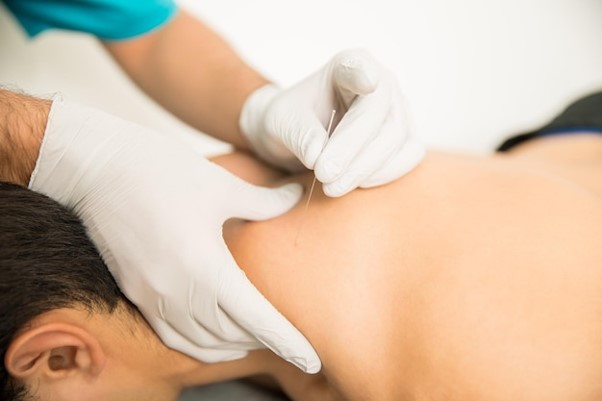
The needle itself is very fine, typically around 0.30mm in diameter, and most people report feeling very little during insertion. The more significant sensation occurs when the needle reaches the trigger point and produces what is called a twitch response, a brief involuntary contraction of the muscle. This can feel like a dull ache, a cramp, or a brief twitch. It is momentary and is actually a good sign that the treatment is working. Most clients are surprised at how manageable it is once they have experienced it firsthand.
What conditions can dry needling help with?
- Dry needling can be beneficial across a wide range of conditions, including:
- Neck and shoulder pain and tension
- Lower back pain
- Headaches and migraines
- Hip and gluteal tightness
- Knee and leg pain
- Tendinopathies and repetitive strain injuries
- Sports injuries and post-exercise soreness
- Sciatica and referred nerve pain
How will I feel after a session?
Most people feel looser and more mobile almost immediately. It is common to experience some fatigue or a mild soreness in the treated area for 24 to 48 hours, similar to how you feel after a hard workout. Staying hydrated, moving gently, and avoiding strenuous exercise in the hours following treatment can help speed your recovery. Your practitioner will guide you on what to expect and how to look after yourself after the session.
How many sessions will I need?
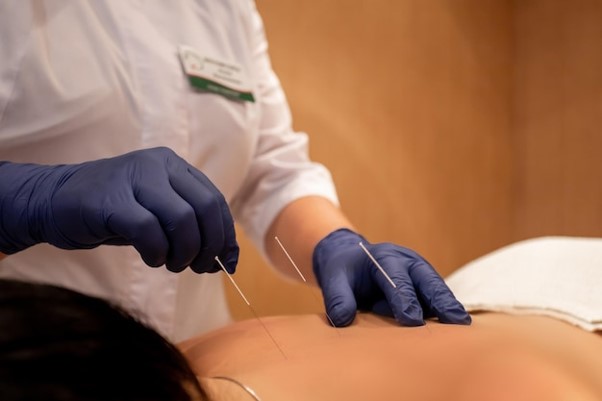
This depends on the nature and history of your condition. Some people experience significant relief after a single session, particularly for more acute presentations. For chronic or complex pain patterns, a typical treatment plan might involve four to six sessions combined with other therapies such as manual treatment and corrective exercise. Your practitioner will develop a personalised plan based on your individual assessment.
Is dry needling available in Ipswich?
Yes. Dry needling is available at Limestone Natural Therapies in Ipswich. Our practitioners are trained in modern dry needling techniques and take the time to explain the process before every session, so you always know exactly what to expect.
Ready to get to the root of your muscle pain? Dry needling at Limestone Natural Therapies Centre in Ipswich could be the relief you have been looking for. Give us a call on (07) 3202 1731 or email us at admin@limestonenaturaltherapies.com.au to book your first session.