As we move past the halfway point of Term 1, many parents begin to notice subtle changes in their children. If you’ve found yourself wondering why your child seems more tired, emotional, or reactive than usual, you’re not alone. A trusted Chiropractor in Ipswich families rely on will often see an increase in young patients during this time of year, and for good reason.
School isn’t just about learning in the classroom; it places physical and neurological demands on growing bodies every single day.
The Hidden Load of School Life
When we think about school, we often focus on academics, but the reality is far more complex. Children are adapting to a range of physical and emotional stressors, including:
- Carrying heavy school bags
- Sitting for long periods of time
- Navigating social dynamics and friendships
- Participating in sport and physical activity
Each of these factors places a different type of load on the body. Over time, this can begin to show up in ways that aren’t always obvious.
Signs Your Child May Be Under Stress
Children don’t always communicate discomfort the same way adults do. Instead, the body often gives subtle clues that something isn’t quite right.
Some common signs to look out for include:
- Increased fatigue or low energy
- Changes in mood or emotional sensitivity
- Trouble sleeping or disrupted sleep patterns
- Complaints of aches, pains, or stiffness
- Changes in posture, such as slouching or uneven shoulders
These signs don’t necessarily mean something is wrong, but they can indicate that your child’s body is working harder than it should be to keep up with daily demands.
Why Growing Bodies Need Extra Support
Children’s bodies are constantly developing. Bones are growing, muscles are adapting, and the nervous system is learning how to respond to the world around them.
When additional stress is introduced, whether physical or emotional, it can affect how efficiently their body functions. This is where support becomes important.
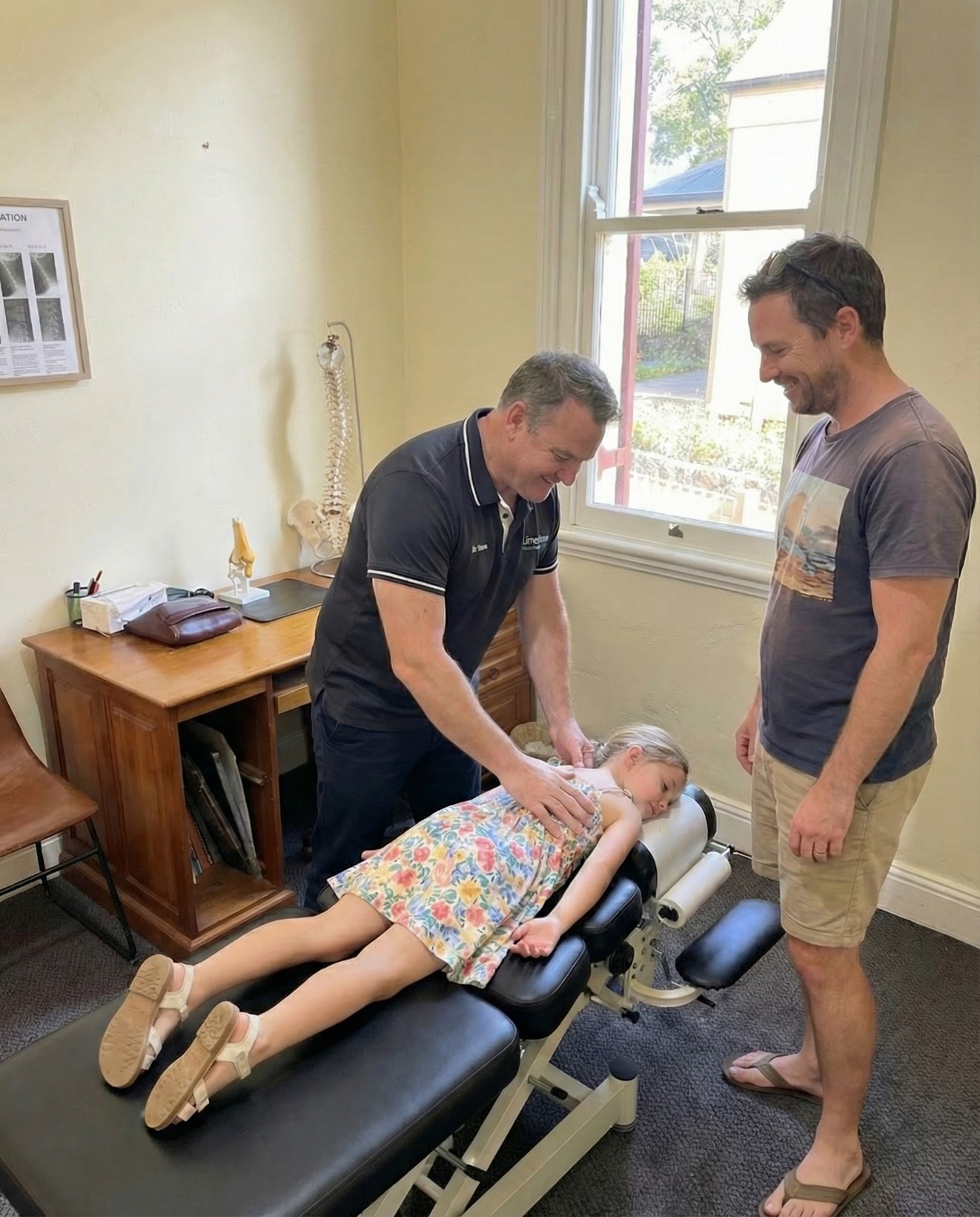
A qualified Chiropractor Ipswich parents trust can help assess how your child’s body is moving and functioning, identifying areas of tension, imbalance, or restriction. Addressing these early can help support better posture, improved movement, and overall well-being.
It’s Not Just Physical, It’s Neurological Too
One of the most overlooked aspects of children’s health is the connection between the body and the nervous system.
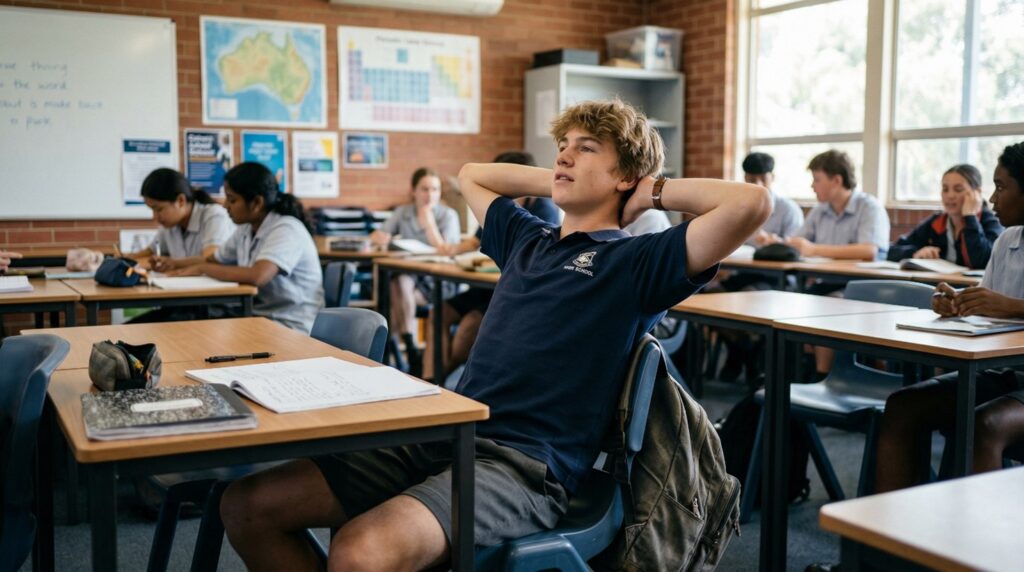
Long periods of sitting, poor posture, and physical strain can influence how the nervous system communicates with the rest of the body. This can impact things like:
- Energy levels
- Focus and concentration
- Emotional regulation
- Sleep quality
Supporting the body physically can often have a positive flow-on effect on the brain, helping children adapt more easily to the demands of school life.
Helping Your Child Thrive This Term
The goal isn’t to remove all stress; that’s not realistic. Instead, it’s about helping your child adapt and respond to it in a healthy way.
Simple steps you can take include:
- Checking their school bag weight and fit
- Encouraging regular movement and breaks from sitting
- Supporting good posture at home
- Ensuring they get enough sleep and recovery time
And when needed, seeking professional support can make a real difference.
When to See a Chiropractor
If you’ve noticed ongoing changes in your child, whether physical, emotional, or behavioural, it may be time to consider an assessment.
At Limestone Natural Therapies, we understand the demands placed on growing bodies. Our team takes a gentle, supportive approach to help children feel and function at their best.
If your child needs a little extra support this school term, we’re here to help.
📞 Call: (07) 3202 1731
🌐 limestonenaturaltherapies.com.au/book-online
📍 105 Limestone Street, Ipswich, QLD